What began as online satire after controversial remarks on unemployed youth has rapidly evolved into a nationwide digital movement fuelled by memes, frustration and political commentary
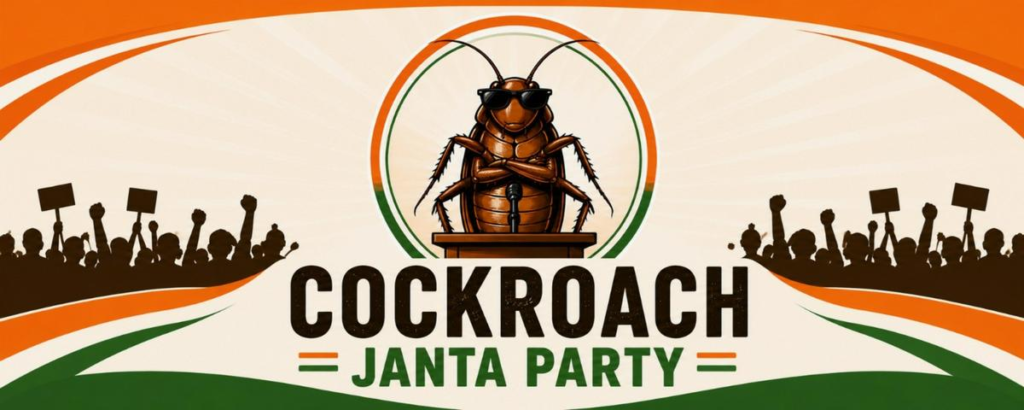
Guwahati: India’s newest political sensation did not emerge from a rally, a student union or a television debate. Instead, it crawled out of the internet.
The viral rise of the Cockroach Janta Party (CJP) has turned internet satire into a powerful outlet for Gen Z frustration over unemployment, governance and political disconnect.
Triggered by controversial remarks made by Supreme Court judge Justice Surya Kant during a court hearing, sparked massive backlash online. Referring to some unemployed youth and activists, the judge remarked: “There are youngsters like cockroaches, who don’t get any employment or have any place in the profession. Some of them become media, some of them become social media, RTI activists and other activists, and they start attacking everyone.”
Then came the line that changed everything: “What if all the cockroaches come together?”
Posted online by Abhijeet Dipke, a 30-year-old public relations graduate from Boston University, the joke exploded into a full-scale digital movement within days. CJP rapidly gained millions of followers across platforms, while thousands signed up online to join the mock political outfit.
Far from being random internet humour, the movement’s manifesto directly targets governance and institutional accountability. Among its headline promises are a ban on post-retirement Rajya Sabha positions for Chief Justices, strict action against deletion of valid votes, 50 per cent reservation for women, including in the Cabinet, penalties for media misinformation, and long electoral bans on defecting MPs and MLAs.
The slogans, parody campaigns and meme-driven activism have especially resonated with younger Indians struggling with rising costs, competitive exams and shrinking opportunities. But beneath the humour lies genuine public frustration.
Soon, another satire group, the “National Parasitic Front”, emerged as the self-declared opposition, pushing the absurdity even further while amplifying criticism of institutions and governance.
Political observers say the phenomenon reflects a deeper shift in how young Indians engage with politics. Instead of rallies and speeches, they now use memes, irony and viral culture to express dissent.
For some, it remains internet comedy. For others, it signals the arrival of a new era of digital political expression, one where satire has become sharper, louder and impossible to ignore.
Also Read: Congress Questions Pema Khandu’s Continuance After SC Orders CBI Inquiry