Tehran rules out direct engagement; Islamabad facilitates dialogue while global concerns over conflict and energy routes intensify
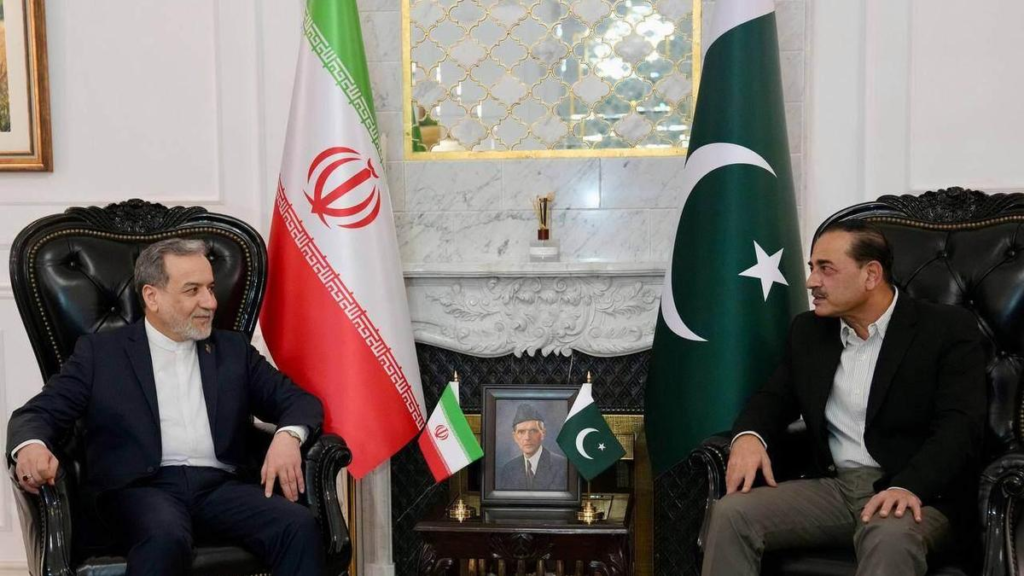
Islamabad: Efforts to revive dialogue between the United States and Iran remain uncertain, even as Pakistan positions itself as a key intermediary. Notably, Iranian Foreign Minister Abbas Araghchi’s visit to Islamabad has not resulted in direct engagement with U.S. officials.
Clarifying Tehran’s stance, Foreign Ministry spokesperson Esmaeil Baqaei stated, “No meeting is planned to take place between Iran and the U.S.,” adding that communication would instead be routed through Pakistani authorities. Consequently, Pakistan has taken on a facilitative role, with Deputy Prime Minister Ishaq Dar reiterating that the country “will continue its efforts… for achieving peace and stability in the region.”
Meanwhile, the United States has moved ahead with diplomatic outreach. Envoys Steve Witkoff and Jared Kushner are expected to arrive in Islamabad to carry forward discussions, although Vice President J.D. Vance will remain on standby.
At the same time, tensions on the ground continue to shape the diplomatic landscape. Iran has warned of retaliation if U.S. blockades persist, describing such actions as “banditry” and “piracy.” In parallel, global concerns have grown over disruptions in the Strait of Hormuz, a critical energy corridor.
Additionally, world leaders have underscored the urgency of stabilising the region. France has pushed for reopening the strait, while the European Union is exploring alternative energy routes to reduce dependence on conflict-prone zones.
Overall, while indirect diplomacy continues, the path to de-escalation remains complex and uncertain.
Also Read: Digitising Assam 2.0 Puts 2.76 Million Pages of Assamese Literature Online with Search Access