
Conservation concerns grow over infrastructure, tourism, habitat fragmentation and changes to the park’s surrounding landscape
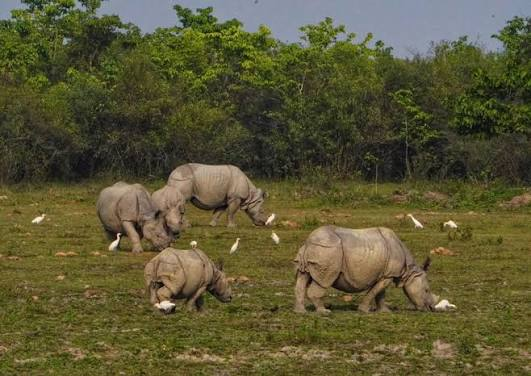
Guwahati: Assam’s Kaziranga National Park is facing growing pressure from development and land-use changes around its boundaries, with the IUCN World Heritage Outlook 2025 warning of potential long-term impacts on the park’s ecological health.
The concerns come amid the Assam government’s proposal to reduce Kaziranga’s Eco-Sensitive Zone (ESZ), currently extending up to 10 km. The proposed limit has been discussed as between 1 and 3 km, drawing opposition from conservation groups.
Experts have warned that reduced safeguards could encourage industrial and tourism-related development in the Karbi Anglong hills, which provide critical highland refuge for wildlife during floods and form part of Kaziranga’s wider ecological landscape.
The IUCN assessment, finalised on October 11, 2025, rated Kaziranga “Good with Some Concerns”. While anti-poaching measures and stable rhino numbers were recognised as positives, the report flagged habitat fragmentation, unplanned infrastructure, tourism facilities, livestock grazing and continued poaching risks. It also highlighted invasive species, human-wildlife conflict, illegal fishing, riverbank erosion and pressure from proposed infrastructure projects.
The assessment warned that climate change could intensify monsoon flooding and compound existing threats. It called for landscape-level conservation planning, stronger community participation and measures that account for changing environmental conditions.
Also Read: NEPMZ Halts Fuel Supply to Meghalaya Amid Assam Vehicle Safety Concerns