Beijing begins work on a 60,000 MW hydropower project on the Yarlung Tsangpo, while India fast-tracks its proposed 11,000 MW Siang dam amid water security and ecological concerns
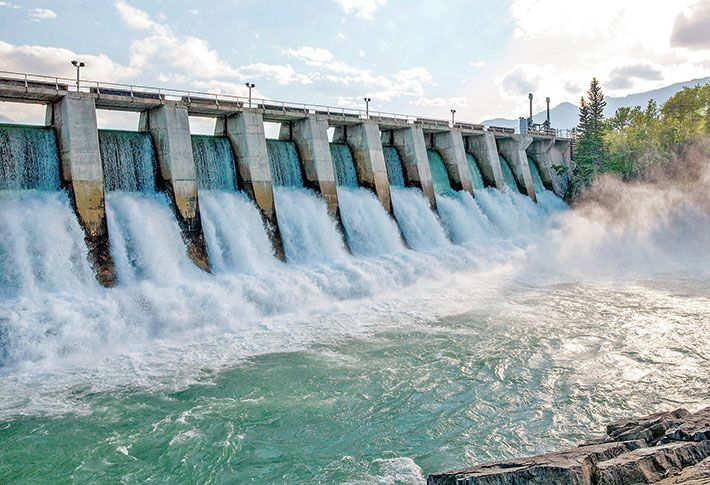
Itanagar: China’s decision to formally begin construction of the 60,000 MW Medog Hydropower Project on the Yarlung Tsangpo River in Tibet has intensified discussions in India over water security, ecological sustainability and strategic preparedness along the Himalayan frontier.
Located near the river’s Great Bend, close to Arunachal Pradesh, the project is expected to generate nearly 300 billion kilowatt-hours of electricity annually, making it the world’s largest hydropower venture once completed.
As the Yarlung Tsangpo enters India as the Siang and later becomes the Brahmaputra, the development has prompted New Delhi to accelerate plans for the proposed 11,000 MW Siang Upper Multipurpose Project (SUMP) in Arunachal Pradesh. Estimated to cost around Rs 1.5 lakh crore, the project is expected to generate nearly 47 billion units of power annually while enhancing flood management and water regulation capabilities.
Chief Minister Pema Khandu has described the project as strategically significant, arguing that it could strengthen India’s ability to respond to upstream developments.
While experts say China’s dam is unlikely to significantly reduce river flow, concerns remain over possible changes in water-release patterns, sediment movement and flood risks. Environmentalists have also flagged the ecological sensitivity of the region, which is prone to earthquakes, landslides and extreme weather.
As both countries pursue ambitious projects on the same river system, experts stress that greater transparency, scientific cooperation and data-sharing will be crucial to balancing development with regional stability.
Also Read: Manipur Highways Reopen as CoTU Calls Off Indefinite Blockade After Govt Assurances