
Tehran’s decision to halt vessel traffic through one of the world’s busiest energy corridors has reignited concerns over global oil supplies, regional stability and the future of diplomatic efforts in the Middle East
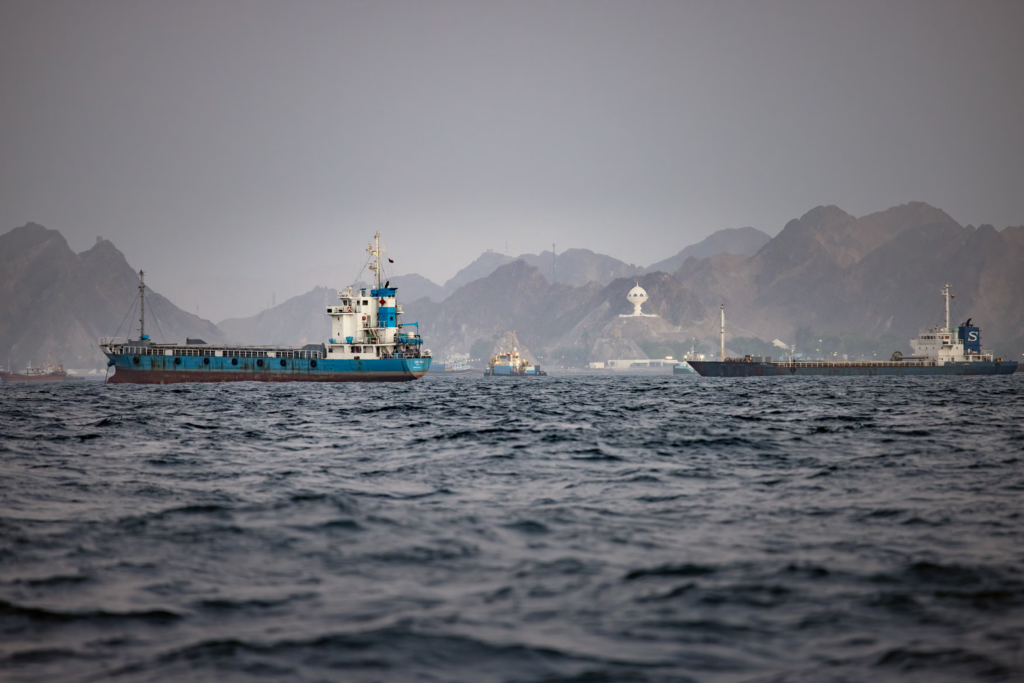
Iran’s announcement that it is closing the Strait of Hormuz has once again drawn global attention to one of the most strategically significant waterways on the planet.
The decision, announced by Iran’s Khatam al-Anbiya Central Headquarters, comes amid renewed tensions involving the United States, Israel and regional armed groups. Tehran claimed the move was a response to alleged violations of a ceasefire arrangement, warning that the restriction on maritime traffic is only the “first step” if tensions continue to escalate.
While the political fallout is significant, the economic implications could be even broader. The Strait of Hormuz serves as a vital gateway for global oil and natural gas shipments, connecting energy-rich Gulf nations to international markets. Any disruption along this narrow corridor has the potential to affect fuel prices, shipping costs and supply chains worldwide.
The announcement follows a fresh surge in violence in the region. Deadly exchanges involving Israel and Hezbollah have complicated diplomatic efforts aimed at reducing hostilities, while negotiations involving Washington and Tehran have reportedly faced setbacks.
For energy markets, the concern is not merely the closure itself but the uncertainty it creates. Even short-term disruptions in the Strait have historically triggered volatility in global oil prices and heightened security concerns for commercial shipping.
As diplomatic channels remain active, analysts believe the coming days will be crucial. Whether the situation de-escalates or evolves into a broader regional crisis could have consequences extending far beyond West Asia, affecting economies, trade routes and energy security across the globe.
Also Read: China’s Hydropower Giant on Brahmaputra Triggers Strategic and Ecological Debate in India