Seat redistribution, census shift and federal concerns dominate as 33% reservation bill fails to clear two-thirds mark
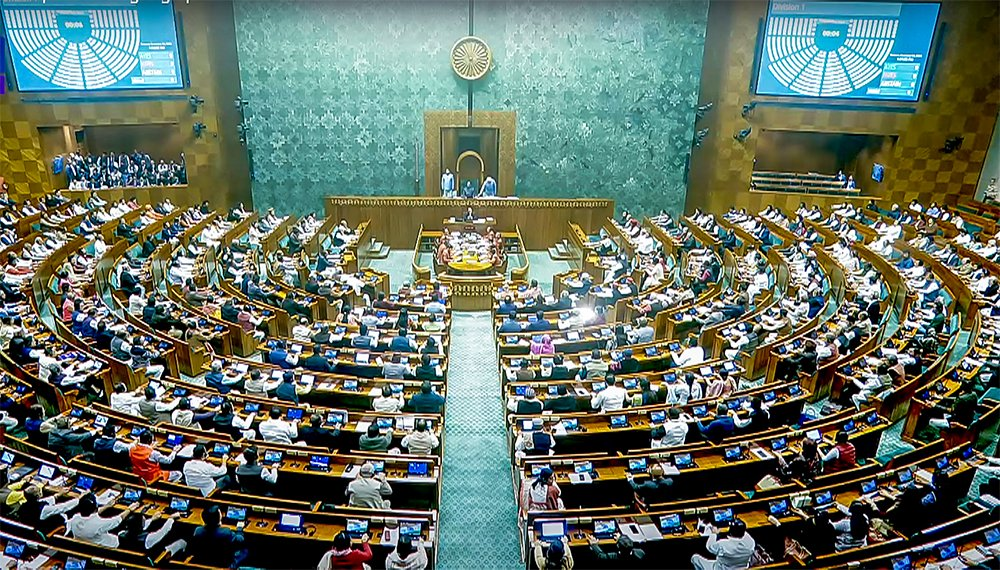
The collapse of the Constitution (131st Amendment) Bill in the Lok Sabha emerged as the central fault in the Parliament. Although the Bill secured 298 votes in favour against 230, it failed to meet the special majority required for constitutional amendments. It has reinforced a key political argument: “delimitation, not women’s reservation, is the real issue.”
At the heart of the debate lies the proposed Delimitation Bill, 2026, which seeks to redraw India’s electoral map after nearly five decades. The plan includes expanding the Lok Sabha seats from 543 to around 850 seats and reallocating constituencies based on the latest available Census data, effectively ending the long-standing freeze on seat distribution. The government had argued that this move would uphold the democratic principle of “one person, one vote, one value.”
The Government structured the proposal in a way that made delimitation a necessary precursor to implementing women’s reservation. Rather than introducing a 33% quota within the existing strength of the Lok Sabha, it proposed to first undertake a fresh delimitation exercise and expand the House to around 850 seats based on the updated census data. The reservation for women would then be operational only after this process, with seats allocated and rotated across the newly redrawn constituencies.
The opposition parties strongly contested this restructuring. They warned that population-based redistribution could significantly increase representation from northern states like Uttar Pradesh and Bihar. While southern states may see comparatively smaller gains. As a result, concerns over federal balance and political equity took centre stage.
Critics also questioned the proposed Delimitation Commission’s sweeping powers, noting that this decision would be final and largely beyond judicial scrutiny, calling it a “structural risk.”
Amid this structural debate, the women’s reservation provision became entangled. The Bill, proposed 33% reservation across the Lok Sabha, State Assemblies and Union Territory Legislatures, with seats to be rotated after each delimitation cycle. Notably, its implementation was directly tied to the completion of delimitation, targeting the 2029 elections.
While the government defended this sequencing as necessary, the opposition argued that the reservation could be introduced within the current framework. Consequently, a reform aimed at gender representation evolved into a wider constitutional contest over representation of power and federalism.
Also Read: Two Youths Killed in Kakopathar Crash: NH-15 Blocked Amid Protests