
India formally presents the Jingkieng Jri dossier in Paris for the World Heritage List 2026–27, spotlighting a centuries-old tradition of sustainable engineering and indigenous knowledge
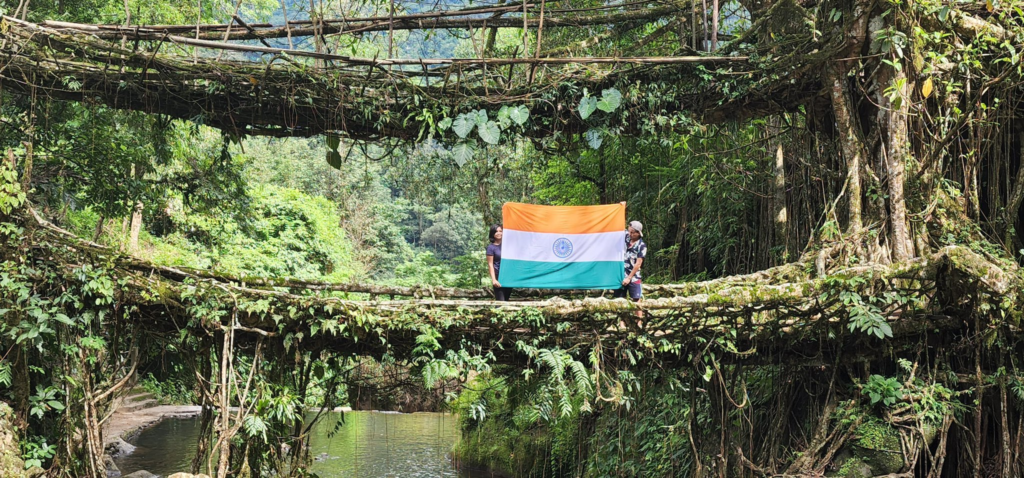
Shillong: India has formally submitted the nomination dossier of Meghalaya’s Living Root Bridges, locally known as Jingkieng Jri, to UNESCO in Paris for consideration for inclusion in the World Heritage List for the 2026–27 cycle. The submission was made by India’s Ambassador and Permanent Representative to UNESCO, marking a significant step toward global recognition of this unique living heritage.
The Living Root Bridges, which are found in the Khasi and Jaintia Hills, are grown from the aerial roots of rubber fig trees. Unlike other bridges, they become stronger with age, which is a testament to the unique combination of ecological knowledge, patience, and sustainable engineering that has been developed over the centuries.
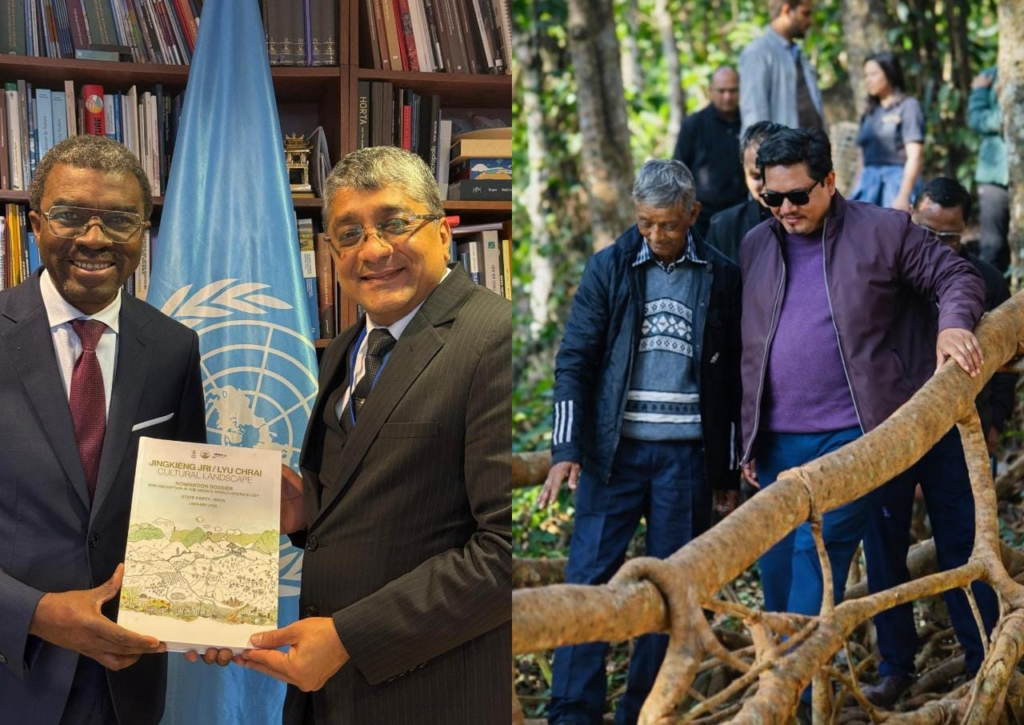
The UNESCO nomination follows closely on the heels of the award of a Padma Award to Bah Halley War, who has dedicated his life to the practice, preservation, and promotion of the Living Root Bridge tradition. This has brought the cultural and environmental value of this heritage to the fore of national attention.
In addition to their architectural genius, the Living Root Bridges stand as symbols of harmony between humans and nature. They resist the heavy monsoon rains and are a model of climate-resilient infrastructure.
There is strong optimism that the bridges will be inscribed on the World Heritage List this year. Such recognition would not only celebrate Meghalaya’s living landscapes but also honour the indigenous communities who remain the true guardians of this remarkable and evolving natural legacy.
Also Read: FIR Filed Against Dhurandhar Star Ranveer Singh Over Alleged Insult to ‘Daiva’ Tradition