Middle East tensions soar as Israel and Iran exchange strikes, prompting global security concerns
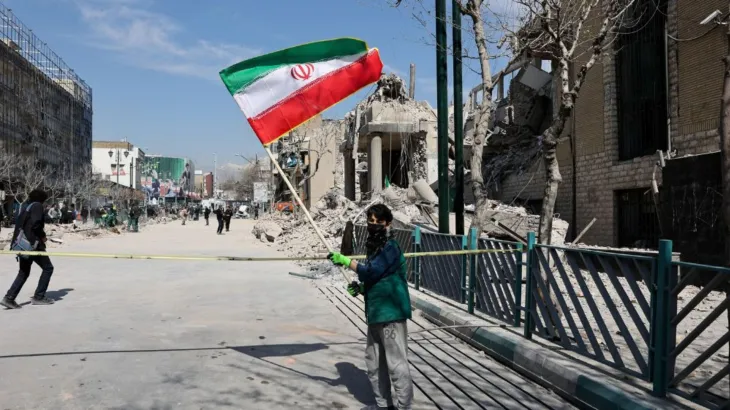
The conflict between Israel, the United States, and Iran intensified on March 5, as the war entered its sixth consecutive day with renewed missile attacks, airstrikes, global diplomatic manoeuvres, and significant civilian and military impacts across the Middle East and beyond.
Heavy bombardment continued across Iran as US and Israeli forces launched coordinated airstrikes on military facilities, security command centres, missile sites and other strategic infrastructure in cities including Tehran and Isfahan. Iranian state media reported multiple explosions in Tehran and other regions, with severe damage visible in several neighbourhoods.
In retaliation, Iran launched waves of ballistic missiles and drone strikes toward Israeli territory, triggering air‑raid alerts in major population centres, including Tel Aviv. Defensive systems in Israel were activated to intercept incoming threats, with no immediate confirmed casualty figures in the latest barrage.
The war has also spilt into neighbouring regions and Gulf states. Gulf nations, including the United Arab Emirates, reported interception of missiles and drones, with some falling within their territories amid heightened air defence operations. Qatar confirmed explosions near Doha after evacuations near diplomatic missions were ordered as a precaution.
US military operations have reportedly destroyed more than 20 Iranian regime vessels and significantly degraded Iranian offensive capabilities, according to US Central Command. President Donald Trump has defended the campaign, asserting that US and Israeli forces are in a “strong position” even as the conflict shows few signs of de-escalation.
The humanitarian toll is mounting. Human rights groups reported over 1,000 civilian deaths in Iran alone due to the combined air campaign, including strikes on residential areas and infrastructure, with thousands more injured. International bodies and rights organisations have voiced concern over potential violations of humanitarian law amid the ongoing hostilities.
The war’s impact extends beyond the battlefield. Global energy markets and supply chains have been disrupted due to threats near the strategic Strait of Hormuz, while major airlines have suspended or rerouted flights through the region. Airspace closures by Saudi and other carriers have affected travel between continents, highlighting the broader economic impact of the conflict.
At the diplomatic level, alliances and tensions mount. NATO affirmed that Article Five protections—including automatic collective defence- remain off the table despite missile interceptions near member airspace. Gulf states have bolstered air defences, while the US Senate backed continued military operations against Iran, blocking measures that would require curbing the campaign.
With global leaders urging dialogue and diplomacy, including calls for de-escalation from Western capitals, the conflict remains volatile with no clear end in sight as both sides sustain military pressure and pursue strategic objectives on the sixth day of war.
Also Read: Sarbananda Sonowal Lays Foundation for India’s First Brahmaputra River Lighthouses